
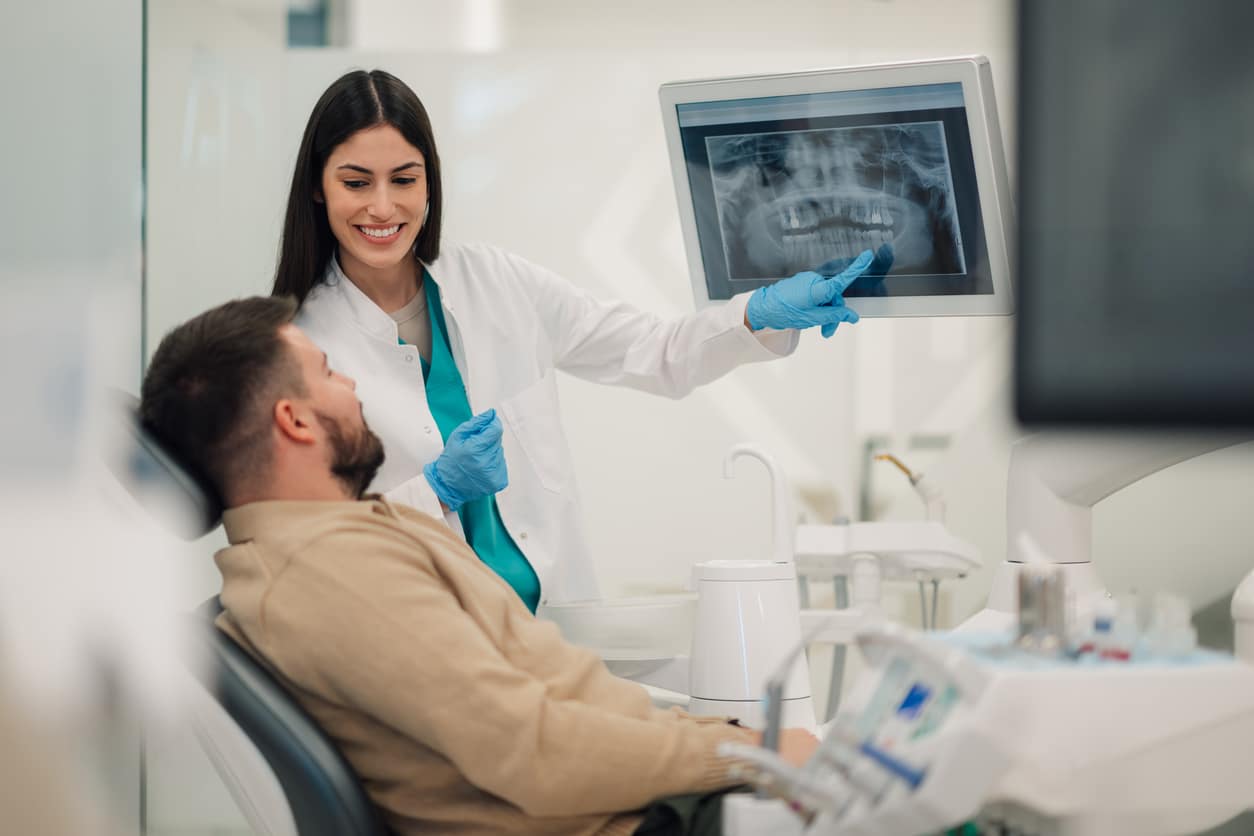
Dental hygienists working in a dental practice that qualifies as a HIPAA Covered Entity are required by federal regulation to complete HIPAA training covering the HIPAA Privacy Rule, HIPAA Security Rule, and HIPAA Breach Notification Rule, because their clinical role involves direct and repeated contact with patient protected health information through medical history reviews, periodontal records, radiograph interpretation, treatment documentation, and oral health assessments recorded in electronic health record systems. The HIPAA Privacy Rule places the training obligation on the covered entity, but the compliance behaviors it requires are carried out by individual workforce members during clinical care, meaning that a dental hygienist who has not received structured training will make uninformed decisions about patient information handling in real clinical situations. HIPAA training for dental hygienists is not a background administrative requirement but a direct determinant of how the hygienist manages patient data at the chairside, in documentation, and in communications with other members of the dental care team.
Patient Information Dental Hygienists Generate and Access
During a standard patient appointment, a dental hygienist creates, accesses, and updates multiple categories of protected health information. Medical history forms containing systemic health conditions, medication lists, and allergy records are reviewed at the start of each appointment and inform clinical decisions throughout. Periodontal chart entries, updated radiographic records, intraoral photographs, and clinical notes documenting treatment provided and recommendations made are all generated during the appointment and entered into the practice’s electronic health record system. Post-appointment communications with patients about prescribed home care, referrals to periodontists or oral surgeons, and follow-up scheduling instructions may also involve protected health information. Each of those activities is governed by the HIPAA Privacy Rule’s minimum necessary standard, which requires the hygienist to access and use only the patient information their specific clinical task requires.
Disclosure Decisions That Arise in Dental Hygiene Practice
Dental hygienists encounter disclosure situations that require HIPAA Privacy Rule knowledge to navigate correctly. A patient who requests that their periodontal records be sent to a specialist, a family member who asks about a patient’s oral health status at the front desk, a referring physician who contacts the practice for information about a shared patient’s medications, and an insurance company requesting clinical documentation to process a claim all present disclosure decisions that the hygienist or their colleagues must handle in accordance with the Privacy Rule’s permitted disclosure framework. A hygienist who discloses patient information without understanding whether that disclosure requires patient authorization, falls within a permitted category, or constitutes an impermissible release is making compliance decisions without the knowledge to make them correctly, regardless of their clinical experience or professional intent.
HIPAA Security Rule Obligations for Dental Hygienists Using Electronic Systems
The HIPAA Security Rule at 45 CFR 164.308(a)(5) requires covered entities to implement a security awareness and training program for all workforce members who access systems storing electronic protected health information, and that obligation applies directly to dental hygienists who log into electronic health record platforms, update patient charts on shared workstations, access radiographic imaging systems, or use any networked device in the course of clinical work. Proper workstation handling between patient appointments, secure credential management, the correct use of practice-approved communication channels for clinical information, and the procedure for reporting a suspected security incident are all Security Rule compliance behaviors that dental hygienists must understand and consistently apply. A hygienist who accesses a patient record on a shared device without logging out between appointments, or who sends clinical photographs using a personal messaging application, creates Security Rule exposure for the practice that a training program is specifically designed to prevent.
Training Built Around Real Clinical Situations
The HIPAA Training for Dental Offices course from The HIPAA Journal satisfies the mandatory HIPAA Privacy Rule, HIPAA Security Rule, and HIPAA Breach Notification Rule training requirements for dental hygienists and all other members of a dental practice workforce. The course is distinguished from general HIPAA training products by its instruction methodology: rather than presenting regulatory text for passive consumption, it builds scenarios drawn from more than ten years of analyzed HIPAA violations and breach reports, placing learners in the compliance situations their role actually produces and requiring them to work through the correct response. Mandatory modules cover PHI handling, patient rights and authorization requirements, permitted and required disclosures, security threats and protective behaviors, and the personal consequences that individual employees face when violations occur. Learners are assessed after each module through randomized quizzes drawn from a pool of over 600 questions, preventing guesswork-based completion and verifying genuine understanding. Certificates are issued automatically on successful completion, giving the dental practice documented proof of compliance for every hygienist trained, and a real-time admin dashboard available for practices with five or more training seats supports completion tracking and production of exportable audit records.